Choosing between Spanish Trail and newer westside communities can feel harder than it sounds. Both offer a polished Las Vegas lifestyle, but they deliver it in very different ways. If you are trying to decide between an established golf enclave and a newer master-planned setting, this guide will help you compare character, housing, amenities, and day-to-day convenience with more clarity. Let’s dive in.
Start With the Big Difference
Spanish Trail and newer westside communities are not simply two versions of the same thing. Spanish Trail is a 640-acre established enclave centered around a private country club environment in southwest Las Vegas. Summerlin, by contrast, spans about 22,500 acres, has more than 130,000 residents, and still has roughly 2,000 gross acres left to develop.
That scale shapes almost everything you experience as a buyer. Spanish Trail feels focused, contained, and consistent. Newer westside communities, especially in western Summerlin, tend to offer more variety in home style, neighborhood layout, and amenity access.
Spanish Trail at a Glance
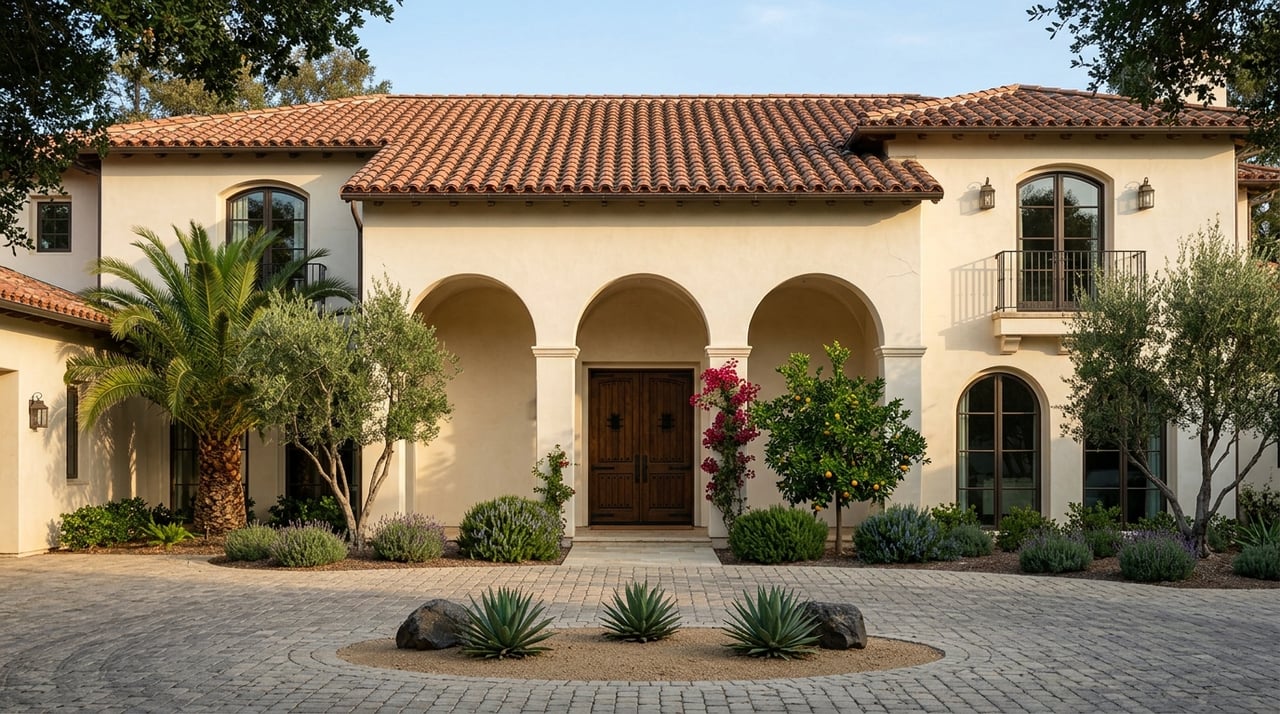
Spanish Trail is one of Las Vegas’s more established guard-gated golf communities. It is known for its mature landscape, classic private-club identity, and homes that largely reflect 1980s and 1990s design, including Mediterranean-style architecture.
For many buyers, that established feel is the point. You are not buying into a place that is still defining itself. You are buying into a community with a long-standing layout, a recognizable visual character, and a more fixed overall identity.
What Defines Spanish Trail
Spanish Trail is centered on Spanish Trail Country Club. The club features 27 private holes with three different 18-hole combinations, along with rolling hills, tree-lined fairways, lakes, streams, waterfalls, and a large bunker count that adds to its classic course design.
Amenities also include dining, 12 lighted tennis courts, pickleball, fitness facilities, and two heated pool pavilions. In practical terms, that creates a more centralized club lifestyle, where much of the community identity revolves around one private hub.
Newer Westside Communities at a Glance
When buyers talk about newer westside communities, they are often thinking about the western edge of Summerlin and its actively developing villages. This is an important distinction because Summerlin is not one single housing vintage. Some villages date back to the 1990s, while others are adding new housing in the 2020s.
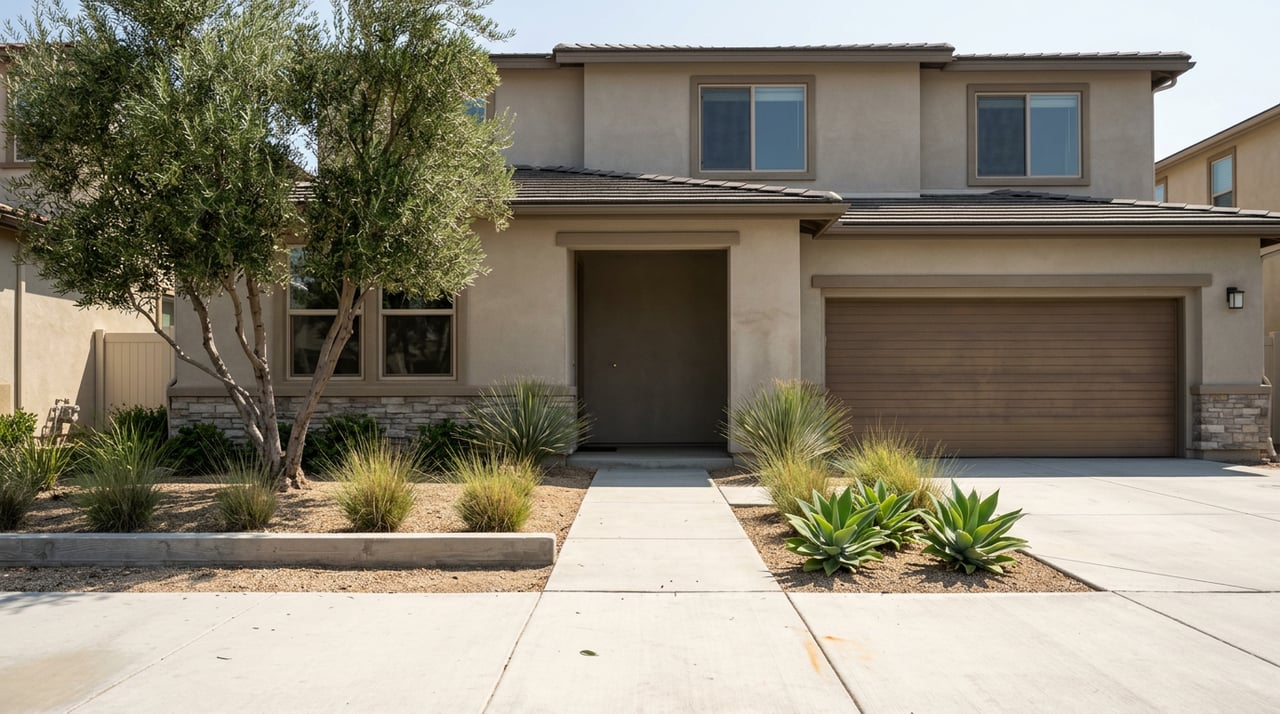
That means your experience can vary depending on where you look. Older Summerlin areas may feel more established, while westernmost neighborhoods can offer more current floor plans, contemporary design, and lower-maintenance living options.
What Defines Newer Summerlin Areas
Summerlin’s design is broader and more layered than Spanish Trail’s. Rather than one central club environment, it offers a larger live-work-play framework that includes neighborhoods, golf, shopping, dining, entertainment, office space, and community services across a wide area.
The community sits along the western edge of the valley near Red Rock National Conservation Area. It also includes major lifestyle destinations such as Downtown Summerlin, Red Rock Resort, Las Vegas Ballpark, City National Arena, office parks, and a hospital, which gives many buyers a strong convenience factor in daily life.
Housing Style and Home Age
One of the clearest differences between Spanish Trail and newer westside communities is the housing stock. Spanish Trail is generally an older luxury product, with homes from the 1980s and 1990s and a setting that often includes mature trees and landscaping.
That can appeal to buyers who value established streetscapes and are open to homes with more traditional layouts or renovation potential. In many cases, the conversation in Spanish Trail is less about brand-new construction and more about location, lot setting, community feel, and the upside of updating a well-placed property.
Spanish Trail Homes
Spanish Trail homes often appeal to buyers who want a classic Las Vegas golf community experience. The architecture is largely Mediterranean in character, and the neighborhood’s age often means more visual maturity from one street to the next.
If you enjoy established surroundings and do not mind comparing original homes with remodeled ones, Spanish Trail can offer a different type of value. It is often more about legacy feel than newness.
Newer Westside Homes
In newer Summerlin villages, the housing conversation is different. Current neighborhoods in areas like La Madre Peaks and Grand Park include more modern and contemporary product, along with low-maintenance options that can be attractive if you want newer finishes and updated floor plans.
This can be especially helpful if you prefer less immediate renovation work or want a home that reflects more current design standards. Newer product can also create a more uniform feel within specific villages because many homes were built within a closer time frame.
Golf and Amenity Experience
If golf is a major part of your decision, the two options offer very different lifestyles. Spanish Trail delivers an integrated private-club setting. Summerlin offers a wider golf ecosystem spread across multiple villages and club environments.
Neither approach is automatically better. The right fit depends on whether you want one concentrated club-centered experience or a broader menu of surrounding lifestyle options.
Spanish Trail Club Lifestyle
Spanish Trail feels unified because the private-club experience is central to the community. Buyers who want a traditional country club setting often appreciate the consistency that comes with that model.
The atmosphere is more contained and more defined. For some, that translates to a strong sense of place and a predictable lifestyle rhythm.
Summerlin Golf Options
Summerlin has 10 golf courses ranging from public play to highly private club settings. That includes TPC Summerlin as a private course, along with other club communities such as Red Rock Country Club and The Summit Club.
This broader setup gives buyers more ways to match golf with the type of neighborhood they want. Instead of one golf identity, you get multiple golf environments across a much larger master-planned area.
Location and Daily Convenience
Spanish Trail is the more Strip-adjacent option in this comparison. The club places it about 6 miles from the Las Vegas Strip, which can matter if you want easier access to central Las Vegas, the resort corridor, or airport routes.
That closer-in position can be a real advantage for buyers who split time between home, work, entertainment, and travel. It offers a westside setting without pushing as far out toward the valley edge.
Spanish Trail Access
Spanish Trail sits in a corridor associated with Tropicana, Hacienda, Rainbow, and Durango. Its location tends to support easier movement toward the Strip and Harry Reid International Airport compared with communities farther west.
For some buyers, this is one of Spanish Trail’s strongest practical advantages. It combines a private residential feel with relatively central access.
Summerlin Access
Summerlin is also described as being minutes from the Las Vegas Strip, but its center of gravity is different. It is more strongly tied to west valley living, Red Rock views, and a larger ecosystem of shopping, workspaces, recreation, and entertainment.
If your day-to-day life benefits from having many services and destinations within the broader community, Summerlin can feel especially convenient. The tradeoff is that some areas sit materially farther west than Spanish Trail.
Established Identity Versus Ongoing Growth
Another major comparison point is how finished each community feels. Spanish Trail is mature and fixed in a way that many buyers find appealing. Its identity is already well established, and its 640-acre footprint does not point toward major future expansion.
Summerlin is more dynamic. With about 2,000 gross acres still left to develop, it continues to add new neighborhoods and refresh housing options over time.
Why That Matters for Buyers
If you prefer a community with a settled feel and a long-standing reputation, Spanish Trail may align better with your goals. If you like the idea of newer product and a community that continues to evolve, western Summerlin may be more compelling.
This is less about right or wrong and more about what kind of ownership experience you want. Some buyers want continuity. Others want access to the newest phases and housing releases.
Which Type of Buyer Each Area May Suit
Spanish Trail often appeals to buyers looking for a classic guard-gated golf environment, mature landscaping, and a traditional private-club atmosphere. It can also be a smart area to explore if you appreciate established luxury communities and are comfortable evaluating renovation potential.
Newer westside communities in Summerlin often appeal to buyers who want more new-construction options, broader amenity density, and a wider range of lot sizes and maintenance levels. They can also be a better match if you want a more modern neighborhood framework with active ongoing development.
A Smart Way to Compare Them
The most useful way to compare these options is not to treat all of Summerlin as one thing. Some Summerlin villages are older and more established, while others on the western edge are much newer. That means a fair comparison is often Spanish Trail versus a specific westside Summerlin area, not Spanish Trail versus the entire master plan.
When you compare them this way, your decision becomes clearer. You can focus on home age, layout, club access, maintenance style, and daily drive patterns instead of relying on broad labels.
If you are weighing Spanish Trail against newer westside communities, the right answer usually comes down to lifestyle fit more than headline price or prestige. A well-planned comparison can help you narrow your search faster and buy with more confidence. If you want tailored guidance on Spanish Trail, Summerlin, or other westside Las Vegas neighborhoods, connect with Rain & Co Realty for informed, polished support.
FAQs
What is the main difference between Spanish Trail and newer westside communities?
- Spanish Trail is a mature 640-acre private golf enclave with an established identity, while newer westside communities, especially in western Summerlin, offer a larger master-planned setting with more recent housing options and broader amenity variety.
Are homes in Spanish Trail older than homes in western Summerlin?
- In general, yes. Spanish Trail homes are largely from the 1980s and 1990s, while western Summerlin includes some much newer neighborhoods that continue to add housing in the 2020s.
Is Spanish Trail closer to the Las Vegas Strip than Summerlin?
- Spanish Trail is the more Strip-adjacent option in this comparison, with the club stating it is about 6 miles from the Strip.
Does Summerlin offer more golf choices than Spanish Trail?
- Yes. Summerlin’s golf environment includes 10 courses across different settings, while Spanish Trail offers one more centralized private-club golf experience.
Who may prefer Spanish Trail in west Las Vegas?
- Buyers who want a classic guard-gated setting, mature landscaping, and a traditional private-club atmosphere often find Spanish Trail appealing.
Who may prefer newer Summerlin neighborhoods on the westside?
- Buyers who want newer construction, contemporary design, lower-maintenance options, and a broader live-work-play environment may prefer newer Summerlin areas.